Driving In Uganda: A 2026 Comprehensive Guide for Travelers

Uganda, the “Pearl of Africa,” continues to captivate travelers with its extraordinary biodiversity, welcoming culture, and dramatic landscapes. As the country’s tourism infrastructure evolves in 2026, many visitors are choosing to explore independently by vehicle. However, navigating Ugandan roads presents a unique set of challenges and rewards that differ significantly from experiences in neighboring countries. Understanding what to expect is essential for anyone planning a Uganda self drive adventure through the cities and remote regions.
Road Infrastructure: The Reality on the Ground
Uganda’s road network has seen substantial investment over the past decade, yet the quality varies dramatically depending on location. Major highways connecting Kampala to Entebbe International Airport, Jinja, and Mbarara feature well-maintained tarmac surfaces. The Kampala-Entebbe Expressway, completed several years ago, exemplifies modern infrastructure with smooth lanes and clear signage.

However, venture beyond these primary arteries and conditions change rapidly. Roads leading to popular destinations like Bwindi Impenetrable Forest, Kidepo Valley National Park, and Murchison Falls often transition from paved highways to rutted murram tracks. During the rainy seasons—March to May and September to November—these routes can become treacherous quagmires requiring 4×4 vehicles with high ground clearance. The journey from Kabale to Bwindi, for instance, features steep gradients and sharp switchbacks that demand careful navigation even in dry conditions.
Essential Traffic Rules and Road Safety
When driving in Uganda, understanding local traffic laws is crucial. The country follows left-hand traffic, a legacy of British colonial influence. Speed limits are nominally enforced: 80 km/h on highways, 50 km/h in urban areas, and 30 km/h in school zones. However, enforcement is inconsistent outside major cities, and travelers should drive according to road conditions rather than posted limits.

Traffic police maintain checkpoints throughout the country, ostensibly checking for valid licenses, insurance, and vehicle roadworthiness. International travelers can use their home country driver’s license alongside an International Driving Permit (IDP) for up to 90 days. Both documents should be carried at all times, as police checks are frequent.
Seatbelt use is mandatory for front-seat passengers, though rear seatbelt enforcement is rare. The legal blood alcohol limit is 0.08%, but given the challenging road conditions and unpredictable traffic, complete sobriety is strongly advised. Mobile phone use while driving is prohibited unless using hands-free systems.
Vehicle Selection and Rental Considerations
Choosing the right vehicle is perhaps the most critical decision for anyone driving in Uganda. While compact sedans suffice for staying within the Kampala-Entebbe-Jinja triangle, venturing to national parks absolutely requires a 4×4 vehicle with robust suspension and adequate ground clearance. The Toyota Land Cruiser remains the gold standard, though RAV4s and Nissan Patrols are increasingly popular alternatives.
Kampala car rental companies range from international chains to local operators. Daily rates for 4×4 cars in Uganda typically run $80-150, with discounts available for weekly or monthly rentals. Most reputable companies include comprehensive insurance, unlimited mileage, and 24-hour roadside assistance. However, carefully review contracts regarding damage to undercarriages, tires, and windscreens—common casualties on rough terrain.
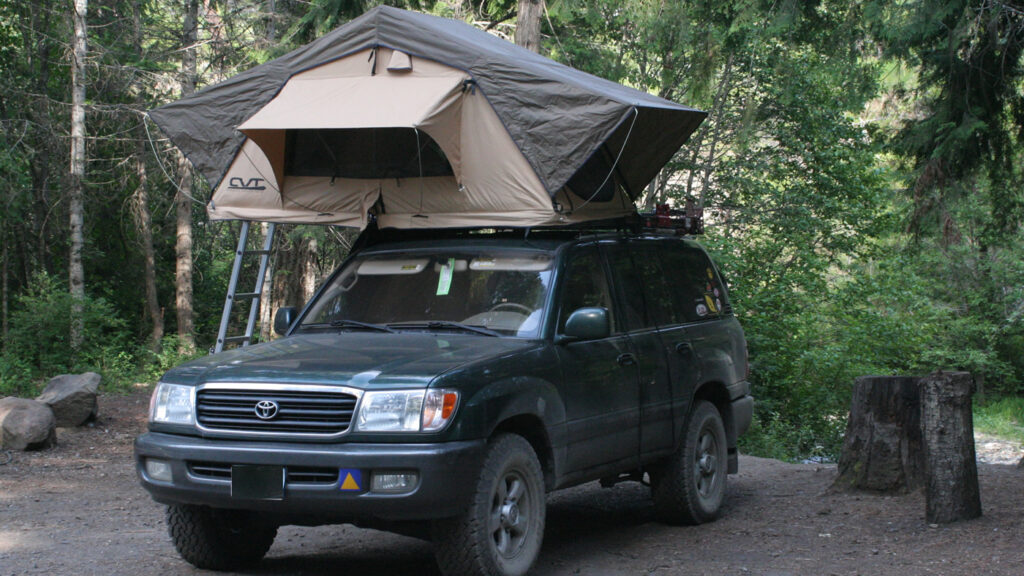
Self-drive is increasingly popular, but hiring a vehicle with a driver remains common practice. Experienced Ugandan drivers possess invaluable local knowledge, navigate challenging roads with practiced skill, and handle interactions with traffic police more smoothly than foreign visitors typically can. Driver fees add $25-40 daily to rental costs but often prove worthwhile, especially for first-time visitors.
Navigating the Challenges
The greatest challenges when driving in Uganda stem from sharing roads with diverse users. Boda bodas (motorcycle taxis) weave aggressively through traffic with little regard for lane discipline or traffic signals. Cyclists carry improbably large loads, pedestrians cross highways unexpectedly, and livestock wander freely, particularly in rural areas. Matatus (shared minibuses) stop abruptly to collect passengers, often without warning signals.

Potholes pose another significant hazard. Even on major highways, road surfaces can deteriorate rapidly, with crater-sized holes appearing after heavy rains. Ugandan drivers have developed a distinctive weaving pattern, swerving across lanes to avoid damage—a practice foreign drivers must quickly adopt while remaining vigilant for oncoming traffic doing the same.
Night driving requires special caution. Street lighting is minimal outside Kampala, many vehicles lack functioning lights, and pedestrians wearing dark clothing are nearly invisible. Additionally, the risk of vehicle breakdown or accident is higher after dark, with assistance more difficult to obtain. Experienced travelers avoid night journeys whenever possible.
Fuel, Services, and Practical Matters
Fuel stations are abundant in cities and along major routes, with Total, Shell, and Stabex being the most reliable chains. Diesel and petrol are widely available, though fuel quality can vary in remote areas. Prices fluctuate but generally align with regional East African rates. Credit cards are accepted at urban stations, but cash remains essential for rural areas.

Mechanical services are readily available in Kampala and regional centers like Mbarara, Fort Portal, and Gulu. However, spare parts for European or American vehicles can be scarce and expensive. Japanese vehicles, particularly Toyotas, benefit from extensive parts availability and widespread mechanical expertise.
Mobile money payment systems like MTN Mobile Money and Airtel Money are ubiquitous, accepted at fuel stations, restaurants, and even some parking attendants. Having a local SIM card with mobile money capability simplifies transactions considerably.
Cultural Considerations and Etiquette
Ugandans are generally patient, friendly drivers who readily assist stranded motorists. When asking for directions—which you inevitably will, as GPS accuracy diminishes in rural areas—expect helpful but occasionally optimistic distance estimates. “Just nearby” might mean anything from two to twenty kilometers.
Honking serves primarily as communication rather than aggression. A quick toot alerts others to your presence when overtaking or navigating blind corners. Hand signals through windows often indicate intentions more clearly than turn signals, which many vehicles lack or drivers neglect to use.
The Experience
Driving in Uganda offers unparalleled freedom to explore at your own pace, stopping for roadside fresh fruit, interacting with welcoming communities, and accessing remote locations that organized tours might miss. The roads themselves become part of the adventure—challenging, occasionally frustrating, but ultimately rewarding. With proper preparation, realistic expectations, and respect for local conditions, navigating Ugandan roads transforms from daunting prospect to empowering experience, opening up one of Africa’s most spectacular countries in ways that no guided tour can replicate.
Planning to rent a car in Uganda for self drive or driver-guided adventure- simply contact us now by sending an email to info@rentcaruganda.com or call us now on +256-758540071 / +256-779232316 to speak with the reservations team.


